The Tear-Off and Deck Inspection
Every replacement starts with a full tear-off down to the deck, not a layover on top of the old roof. That is the only way to see what is actually underneath: soft or delaminated plywood, rot around a vent stack, or a deck that was never properly nailed down in the first place. Any bad decking gets cut out and replaced before a single shingle goes back on, and we photograph the deck before it is covered so you have a record of what was found and fixed.
We also check the ventilation while the deck is exposed. A roof that traps heat in the attic ages faster from the inside out, and a lot of older houses around Grayson County were built with less ridge and soffit venting than a roof this size really needs. Adding or correcting ventilation at replacement time is far cheaper than doing it as a separate job later.
Choosing Materials for This Part of Texas
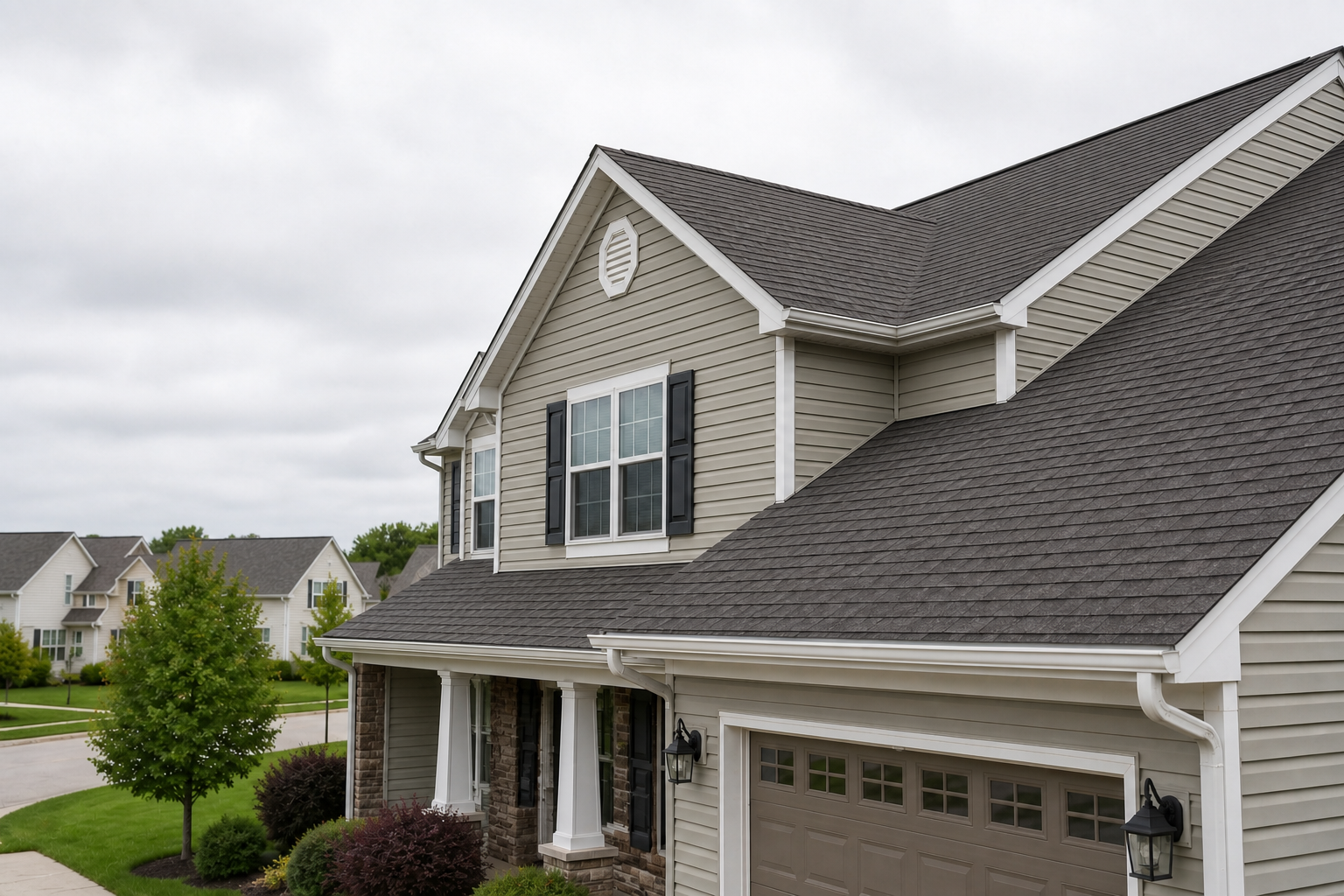
Shingle choice comes down to wind rating and impact resistance more than color. North Texas sees enough hail seasons that an impact-resistant shingle is worth the difference in most cases, and some insurance carriers offer a discount for it. For houses that catch open wind off farmland or sit near Lake Texoma, we look at wind ratings specifically rather than assuming a standard shingle will hold up the same way it might in a more sheltered neighborhood.
Metal is worth considering on steeper pitches, barns, and houses where the owner wants to stop thinking about the roof for a long stretch. We will lay out the real difference in upfront cost against expected lifespan for your specific roof rather than pushing one material as the automatic right answer. The goal is a roof you are not calling us about again for a long time, whichever material gets you there.